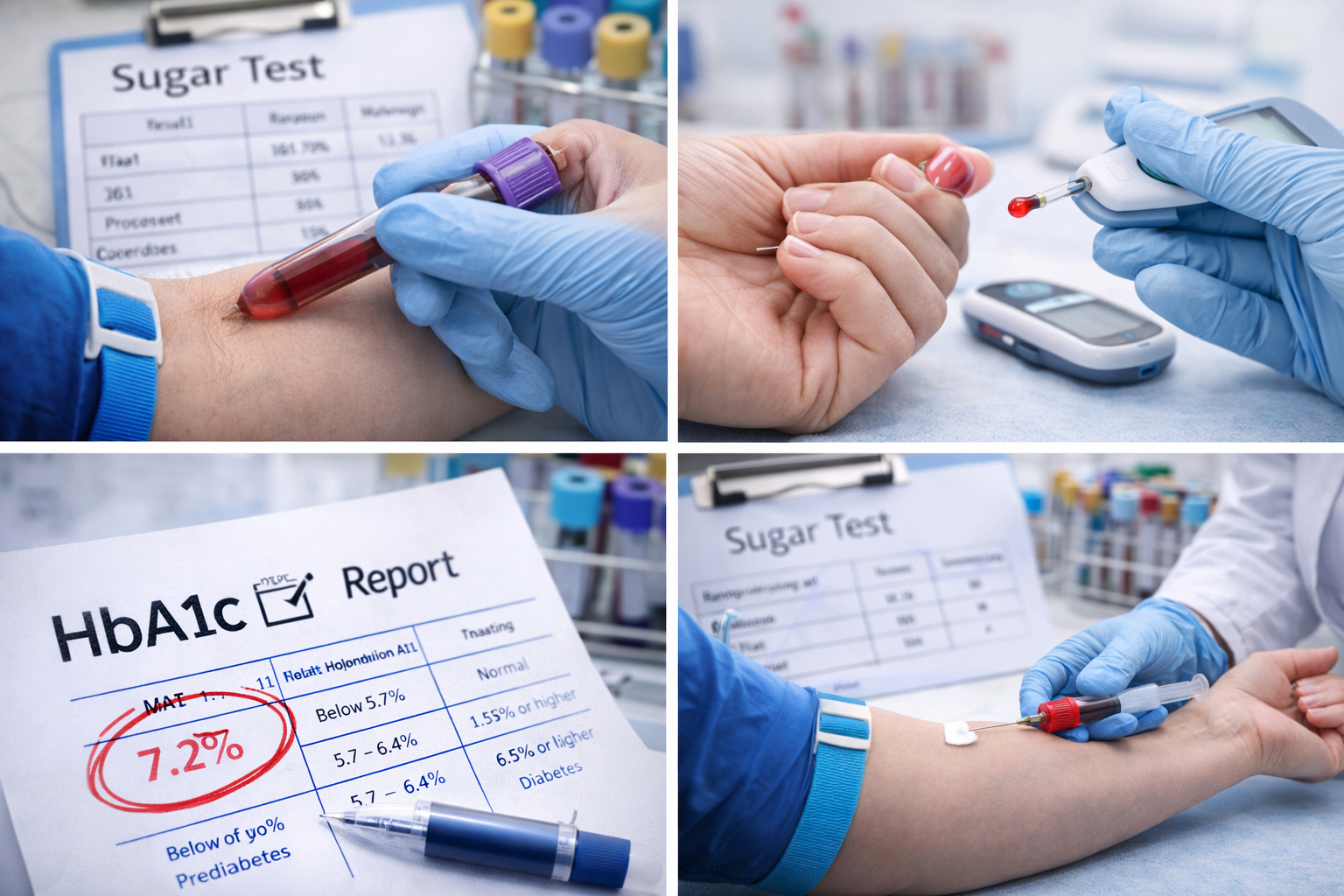
The sugar test, commonly known as the blood sugar test, is an essential medical test used to measure the level of glucose in the blood. Glucose is the primary source of energy for the human body, but when its level becomes too high or too low, it can lead to serious health problems. The sugar test is mainly used to diagnose diabetes, prediabetes, and hypoglycemia, and it also helps monitor blood sugar control in people already diagnosed with diabetes.
What Is Blood Sugar and Why Is It Important?
Blood sugar refers to the amount of glucose present in the bloodstream. This glucose comes from the food we eat, especially carbohydrates such as rice, bread, fruits, and sweets. After digestion, glucose enters the blood and is transported to the body’s cells with the help of insulin, a hormone produced by the pancreas.
If the body does not produce enough insulin or cannot use insulin properly, glucose remains in the blood instead of entering the cells. This condition causes high blood sugar levels, which can damage organs such as the heart, kidneys, eyes, and nerves over time. Therefore, maintaining normal blood sugar levels is crucial for overall health.
What Is a Sugar Test?
A sugar test is a simple blood test that checks the amount of glucose in the blood at a specific time. Doctors use this test to:
- Diagnose diabetes and prediabetes
- Detect low blood sugar (hypoglycemia)
- Monitor diabetes treatment
- Prevent long-term complications
- Urdu read article click link
The test is quick, safe, and widely available in hospitals and laboratories.
Types of Sugar Tests
Fasting Blood Sugar (FBS) Test
The fasting blood sugar test is done after fasting for 8 to 10 hours, usually in the morning. It is one of the most reliable tests for diagnosing diabetes.
Normal: 70–99 mg/dL
Prediabetes: 100–125 mg/dL
Diabetes: 126 mg/dL or higher
Random Blood Sugar (RBS) Test
This test can be done at any time of the day, regardless of meals. If the blood sugar level is 200 mg/dL or higher and symptoms of diabetes are present, it may indicate diabetes.
HbA1c Test
The HbA1c test shows the average blood sugar level over the past 2 to 3 months. It is especially useful for monitoring long-term blood sugar control.
Normal: Below 5.7%
Prediabetes: 5.7% – 6.4%
Diabetes: 6.5% or higher
Postprandial Blood Sugar (PPBS) Test
This test is performed two hours after a meal to check how well the body handles glucose after eating.
Who Should Get a Sugar Test?
A sugar test is recommended for:
- People with symptoms of diabetes
- Individuals with a family history of diabetes
- Overweight or obese individuals
- Pregnant women (for gestational diabetes)
- People with high blood pressure or heart disease
Regular testing helps in early detection and better disease management.
Symptoms That Indicate a Sugar Test Is Needed
Common signs that may suggest abnormal blood sugar levels include:
- Frequent urination
- Excessive thirst
- Increased hunger
- Unexplained weight loss or gain
- Constant tiredness
- Blurred vision
- Slow healing of wounds
Ignoring these symptoms can lead to serious complications.
Sugar Test Procedure
The sugar test procedure is very simple:
- A small blood sample is taken from a finger or vein in the arm
- Some tests require fasting, while others do not
- The procedure takes only a few minutes
- Test results are usually available within 24 hours
No special preparation is required except fasting when advised by the doctor.
Treatment and Blood Sugar Control
If blood sugar levels are abnormal, treatment depends on the severity and type of diabetes. Management may include:
- Healthy diet with controlled carbohydrate intake
- Regular physical activity
- Oral diabetes medications
- Insulin injections in some cases
- Regular blood sugar monitoring
Lifestyle changes play a major role in controlling blood sugar levels.
Is the Sugar Test Safe?
Yes, the sugar test is completely safe. It involves minimal pain and carries no serious risks. Mild discomfort or bruising at the injection site may occur but resolves quickly.
Importance of Regular Sugar Testing
Regular sugar testing helps:
- Prevent diabetes-related complications
- Monitor treatment effectiveness
- Maintain healthy blood sugar levels
- Improve quality of life
Early diagnosis and proper control can help people live a normal and active life.
Conclusion
The sugar test is a vital medical test for diagnosing and managing diabetes and other blood sugar disorders. It is simple, safe, and highly effective in detecting problems early. By getting regular sugar tests, following a healthy lifestyle, and taking prescribed treatment, individuals can protect themselves from serious complications and maintain long-term health.
Disclaimer: This article is intended for general informational purposes only and should not be considered medical advice

Health Samajh ek educational health blog hai jo Urdu aur English dono zabanon mein simple, clear aur trustworthy health information provide karta hai. Is blog ka maqsad logon ko general health, common diseases, healthy diet, fitness, lifestyle aur mental health jaise topics asaan alfaaz mein samjhana hai taa keh woh apni sehat ke hawale se behtar aur informed lifestyle choices kar saken. Health Samajh par maujood tamam content sirf educational aur informational purposes ke liye hota hai aur yeh professional medical advice ya doctor ka badal nahi.