Introduction
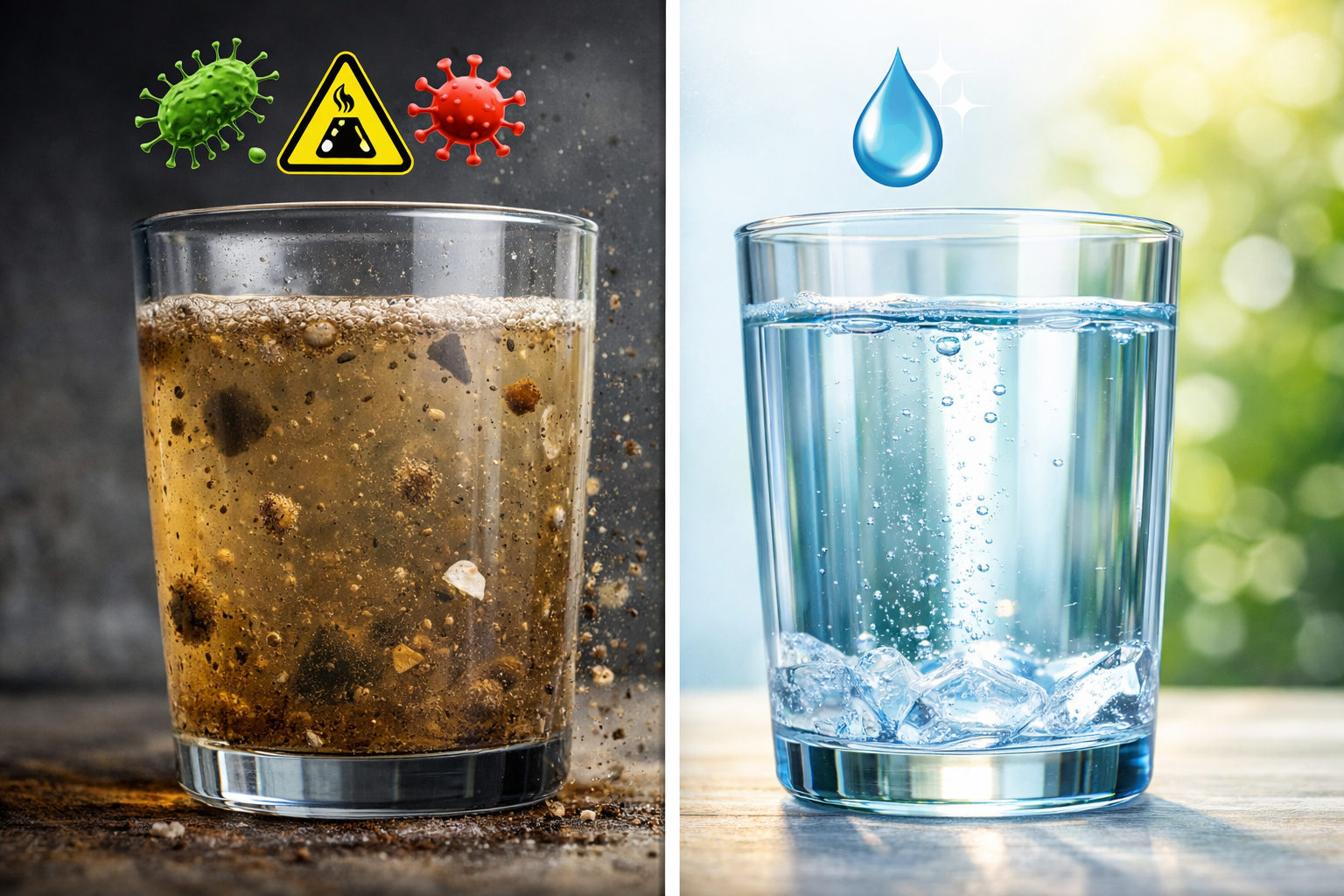
Clean and safe drinking water is a fundamental necessity for human survival, yet many water sources contain hidden impurities that make them unsuitable for direct consumption. Even water that looks clear can harbor harmful microorganisms, chemicals, or heavy metals that pose serious health risks. Water purification ensures that these contaminants are removed, providing water that is safe for daily use and household purposes
Understanding Water Purification
Water purification is the process of removing physical, chemical, and biological impurities from water to make it safe for human consumption. This includes eliminating bacteria, viruses, sediments, chemical residues, and toxic minerals. Proper purification ensures water quality meets health standards and reduces the risk of waterborne illnesses
Importance of Water Purification
Access to safe drinking water is critical for maintaining overall health. Using contaminated water can lead to digestive problems, infections, and long-term diseases. Purification is important because it:
- Protects against harmful microorganisms
- Supports proper hydration and body functions
- Maintains kidney and liver health
- Reduces health risks for children and elderly individuals
- Provides a reliable source of safe water
Common Sources of Water Contamination
Water can become polluted due to natural causes and human activities. Major sources include:
- Microorganisms from sewage and poor sanitation
- Agricultural runoff containing fertilizers and pesticides
- Industrial waste and chemical pollutants
- Excess natural minerals like arsenic and fluoride
- Improper waste disposal
Knowing the contamination sources helps in choosing the appropriate purification method.
Effective Water Purification Methods
Boiling
Heating water to high temperatures kills most bacteria and viruses. Boiling is a simple and effective method, especially in emergencies, though it does not remove chemical contaminants.
Filtration
Filtration systems remove suspended particles, sediments, and some microorganisms. Activated carbon and gravity-based filters improve water clarity, taste, and odor.
Reverse Osmosis (RO)
RO uses a semi-permeable membrane to remove dissolved salts, heavy metals, and chemical pollutants, providing high-quality drinking water.
Chlorine Treatment
Chlorine disinfects water by neutralizing harmful microorganisms. Used carefully, it ensures safe water without leaving toxic residues.
Ultraviolet (UV) Purification
UV treatment uses light to deactivate bacteria and viruses. It does not alter the taste, color, or smell of water, making it suitable for regular consumption.
Health Benefits of Purified Water
Regular consumption of purified water provides multiple benefits:
- Lower risk of waterborne illnesses
- Improved digestion and nutrient absorption
- Healthier skin and hair
- Stronger immune system
- Increased energy and mental clarity
Choosing the Right Water Purifier
The type of purification system depends on water quality. Areas with high salts or chemicals may need RO systems, while UV or filtration systems are effective against biological contaminants. Testing the water before installation helps select the most suitable system.
Environmental Benefits
Using home water purifiers reduces reliance on bottled water, minimizing plastic waste. It encourages sustainable water consumption and responsible environmental practices.
Ensuring that drinking water is safe is vital for long-term health and wellbeing. Even water that appears clear can contain invisible contaminants, such as bacteria, viruses, parasites, and dissolved chemicals that can harm the body if consumed regularly. Public health organisations such as the World Health Organization (WHO) emphasise the importance of systematic approaches to water safety, including risk assessment and continuous monitoring from the source to consumption. World Health Organization
One of the most effective ways to guarantee safe drinking water is through multiple water purification methods. This approach ensures that different types of harmful substances are removed or neutralized. Common methods include boiling, filtration, chemical disinfection, and advanced technologies such as ultraviolet (UV) treatment or reverse osmosis (RO).
Boiling is one of the oldest and most reliable household methods. Bringing water to a vigorous boil for at least one minute kills most disease-causing organisms, including bacteria and viruses, making it safe for drinking. While boiling does not remove chemical pollutants, it remains crucial in emergencies when water sources are uncertain.
Filtration works by passing water through a physical barrier to remove particles, pathogens, and some contaminants. Simple filters might use ceramic or cloth barriers, while more advanced systems like activated carbon filters can improve taste and remove chlorine and certain chemicals. Combining filtration with other methods enhances water safety.
Chemical disinfection involves adding safe disinfectants such as chlorine or iodine to water. These substances effectively kill bacteria and viruses but should be used according to recommended dosages to avoid adverse health effects. Chemical treatment is especially useful in community and emergency settings. Water Wonders
Modern water treatment technologies like reverse osmosis and UV purification provide higher levels of protection. Reverse osmosis forces water through a semipermeable membrane to remove up to 99% of contaminants, including heavy metals, bacteria, and viruses. UV systems use light to deactivate microorganisms without introducing chemicals or affecting taste.
Additionally, regular water quality testing and monitoring are essential. Testing verifies that purification methods are working and that water meets health standards. Many organisations recommend periodic testing for key indicators such as pH, turbidity, and bacterial presence to catch problems early.
In summary, combining reliable purification techniques and regular monitoring creates the best defence against unsafe drinking water. With the right practices in place, families and communities can significantly reduce waterborne health risks and ensure access to safe, clean water for daily use.
Conclusion
Water purification is essential for health and safety. Removing harmful bacteria, viruses, chemicals, and sediments ensures clean drinking water, supporting overall well-being. Selecting the right purification method guarantees access to safe water for families and communities, protecting health and improving quality of life.
Important Note: This article is for educational purposes and does not replace medical advice.
importance of sleep, healthy sleep habits, sleep benefits, good sleep routine
Health Samajh ek educational health blog hai jo Urdu aur English dono zabanon mein simple, clear aur trustworthy health information provide karta hai. Is blog ka maqsad logon ko general health, common diseases, healthy diet, fitness, lifestyle aur mental health jaise topics asaan alfaaz mein samjhana hai taa keh woh apni sehat ke hawale se behtar aur informed lifestyle choices kar saken. Health Samajh par maujood tamam content sirf educational aur informational purposes ke liye hota hai aur yeh professional medical advice ya doctor ka badal nahi.
1 thought on “Ensuring Safe Drinking Water: A Complete Guide to Water Purification”